

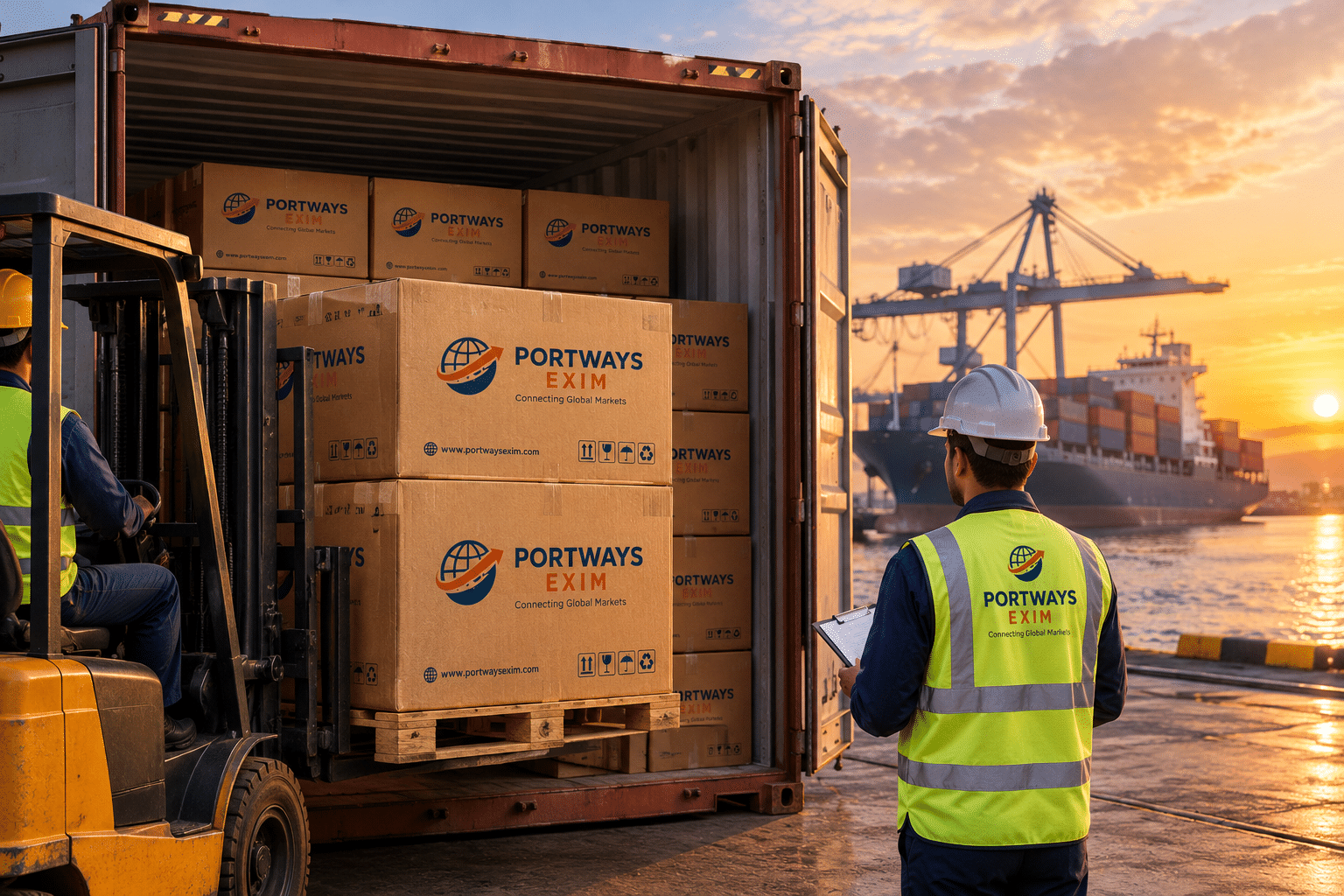
India has become an important sourcing market for buyers importing frozen fruits and vegetables from India, along with other processed foods. For international buyers, however, importing frozen fruits and vegetables from India is about more than finding a supplier and agreeing on a price
When importing frozen fruits and vegetables from India, buyers need to look at the complete supply process, from product specifications and processing to packaging, storage, documentation and international shipping.
The right supplier should be able to understand your product requirements, communicate clearly, maintain consistent specifications and coordinate the export process effectively.
Whether you are a food manufacturer, distributor, restaurant supplier, retail buyer or wholesale importer, understanding these factors can make the sourcing process more organized and help you compare potential frozen food exporters in India more effectively.
What Should Buyers Consider Before Sourcing Frozen Products?
Before placing an order, international buyers should evaluate several aspects of the product and supplier.
Key considerations include:
- Product specifications: Confirm the exact fruit or vegetable, cut, size, grade and processing requirements.
- Processing: Understand how the product is prepared, frozen and handled before packing.
- Packaging: Check available pack sizes, packaging materials and suitability for your distribution requirements.
- Storage: Confirm the recommended frozen storage conditions and how the product is maintained before shipment.
- Supplier capabilities: Assess whether the supplier can handle your required order volumes and recurring requirements.
- Documentation: Discuss the documents and product-related certificates required for your market.
- Shipping: Understand delivery terms, shipment planning and cold-chain requirements.
These factors are interconnected. A suitable product still needs appropriate packaging, storage and logistics to arrive in the expected condition.
How to Evaluate a Frozen Food Supplier
Choosing between different frozen vegetable suppliers in India or frozen food exporters requires more than comparing quotations.
A supplier may offer an attractive price, but buyers also need to understand whether the supplier can consistently meet the required specifications and support repeat orders.
1. Product Range
Start by checking whether the supplier handles the types of products you require.
Depending on your business, this could include frozen vegetables, frozen fruits, or mixed products. A supplier with a relevant product range can make sourcing multiple products more convenient.
2. Consistent Supply
For distributors, food manufacturers and large buyers, one-time availability is usually not enough.
Ask about production planning, order quantities, lead times and the supplier’s ability to support recurring requirements.
3. Quality Control
Understand how the supplier manages product quality throughout processing and packing.
Questions about raw material selection, processing controls, freezing, packaging and storage can help you understand how quality is managed before the product reaches the shipping stage.
4. Processing Capabilities
Different buyers may require different cuts, forms, grades or processing specifications.
Make sure the supplier understands your requirements and can confirm what options are available before you place an order.
5. Packaging Flexibility
Packaging can vary depending on the buyer’s market and distribution model.
You may need different pack sizes for foodservice, wholesale distribution, retail or food manufacturing. Discuss available packaging options before finalizing the order.
6. Export Experience
International shipments involve more than product preparation. Documentation, shipping coordination, destination requirements and communication between different parties are also important.
An exporter familiar with international B2B transactions can make coordination easier.
7. Communication and Documentation
Clear communication is particularly important when importing food products.
Your supplier should be able to clearly communicate specifications, quantities, packaging, shipment details and available documentation.
Supplier Evaluation Checklist
| Check Before Buying | Why It Matters |
| Product specifications | Ensures the product matches your requirement |
| Processing | Confirms the product is handled according to requirements |
| Packaging | Important for storage and distribution |
| Supply capacity | Helps with recurring orders |
| Documentation | Supports the import process |
| Logistics | Helps plan delivery and cold-chain handling |
Understanding IQF Frozen Products
IQF, or Individual Quick Freezing, is a freezing method commonly used for individual pieces of fruits and vegetables.
Instead of freezing a large mass of product together, individual pieces are rapidly frozen so they remain separate and can be portioned more easily when required.
A simplified IQF process looks like this:
Harvest → Preparation → Individual Quick Freezing → Packing → Cold Storage → Export
The process generally begins with the preparation of the selected raw material. After preparation, the product goes through rapid freezing before being packed and stored under frozen conditions.
For buyers, the key point is that IQF products can be convenient for foodservice, manufacturing and distribution applications where individual pieces need to be handled or portioned separately.
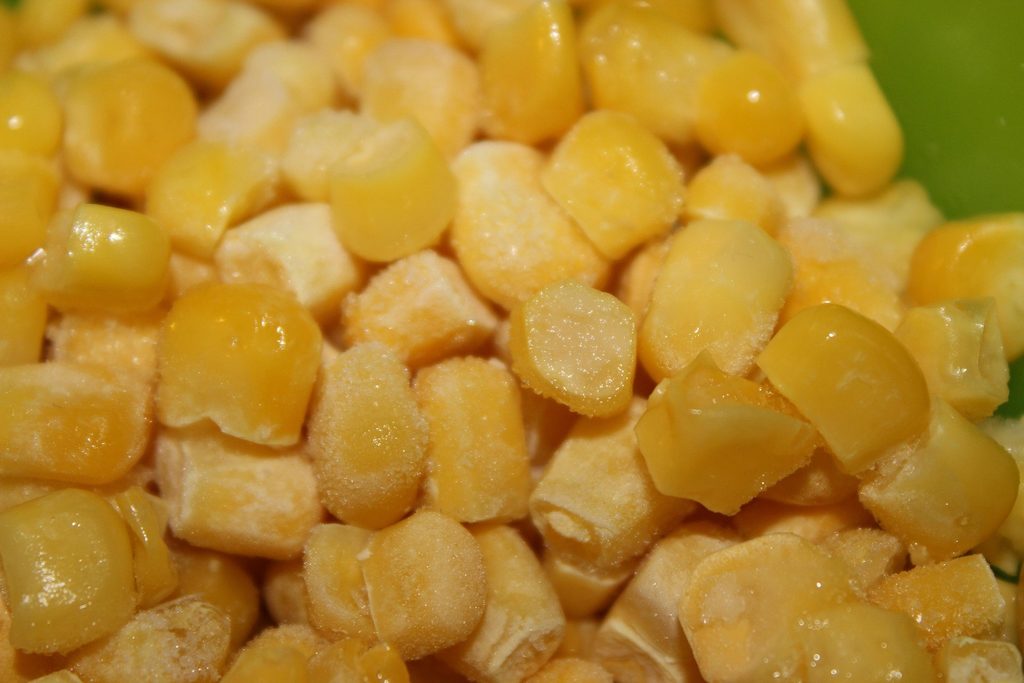
When evaluating an IQF product, buyers should still confirm the actual product specifications, processing requirements and storage conditions with the supplier rather than assuming that every IQF product follows identical specifications.
Packaging, Storage and Cold-Chain Considerations
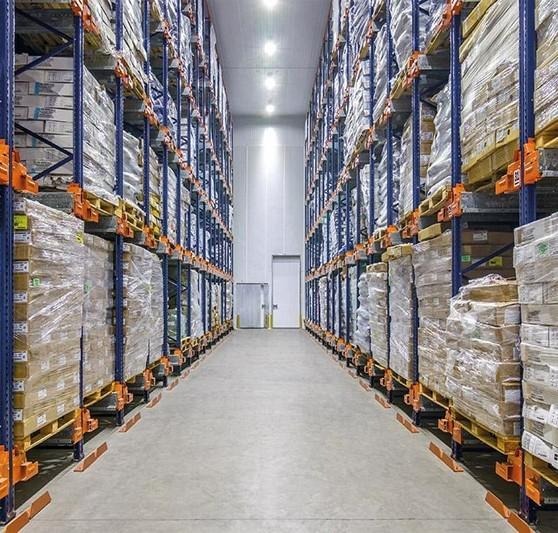
Frozen products depend on appropriate handling throughout the supply chain. Packaging and cold-chain management therefore deserve attention before an international order is finalized.
Packaging
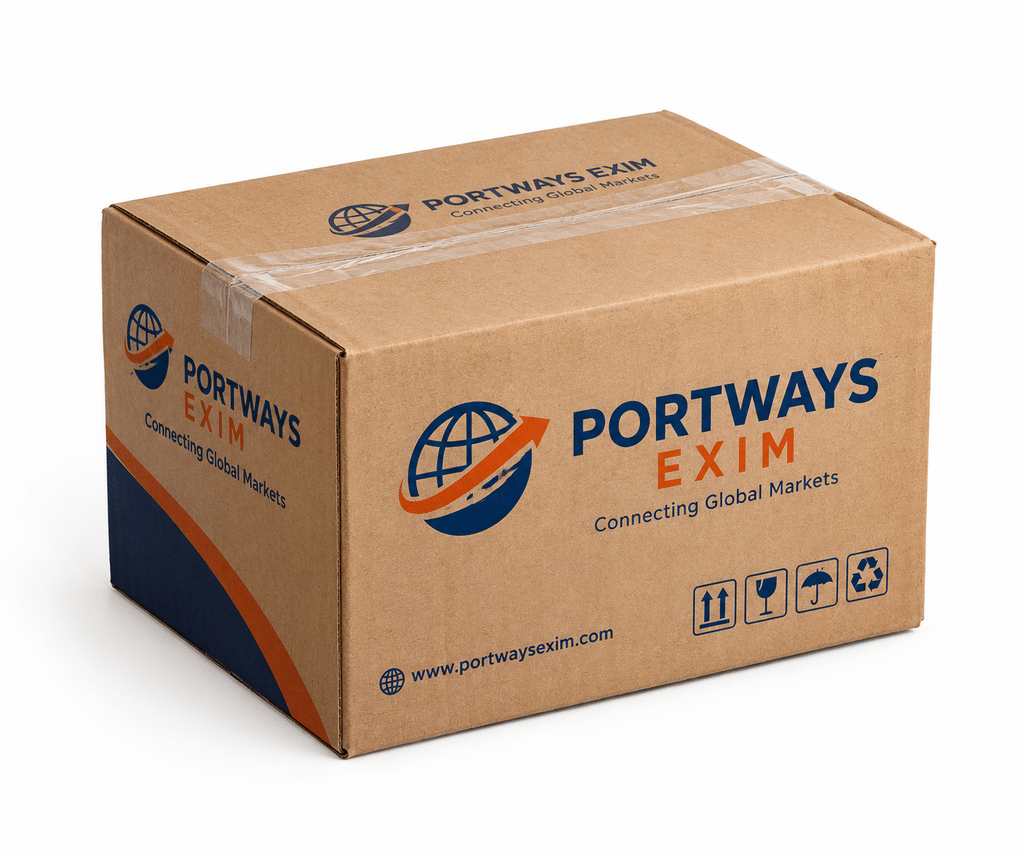
Packaging should protect the product during storage, transportation and handling.
Depending on the application, buyers may need different pack sizes or packaging formats. Discuss the available options with your supplier and consider how the product will be stored and distributed once it reaches the destination market.
Frozen Storage
Frozen products need to remain under appropriate frozen storage conditions from the time they are packed until they reach their destination.
Buyers should understand:
- How the products are stored before shipment
- How long they can be held under the recommended conditions
- How temperature is managed during transportation
- What storage facilities will be required after arrival
Maintaining the Cold Chain
The cold chain includes the temperature-controlled steps between processing, storage, transportation and delivery.
This makes coordination particularly important during:
Processing → Cold Storage → Loading → Transportation → Port Handling → Shipment → Destination → Final Storage
Breaks or poor handling within the cold chain can affect frozen products. Buyers should therefore discuss temperature-control procedures and shipment handling with their exporter and logistics partners before dispatch.
Export Documentation and Shipping Considerations
Importing frozen food involves both product requirements and international trade procedures.
The exact documentation required can vary depending on the product, destination country, importer requirements and applicable regulations. Buyers should therefore confirm requirements with the exporter, customs authorities and relevant regulatory bodies in the destination market.
Depending on the shipment and destination, buyers may need to discuss documents such as:
- Commercial invoice
- Packing list
- Shipping documents
- Product-related certificates or documents, where applicable
- Destination-country regulatory requirements
- Delivery and payment terms
Discuss Shipping Terms Early
Shipping arrangements should not be left until the final stage.
The buyer and exporter should clarify:
- Shipment quantity
- Expected dispatch timeline
- Port of loading
- Destination
- Delivery terms
- Freight arrangements
- Cold-chain requirements
- Responsibilities during different stages of transportation
Clear responsibilities can help reduce confusion when coordinating an international frozen-food shipment.
7 Questions to Ask Before Placing a Bulk Order
Before placing a large order with a bulk frozen vegetables supplier, it is useful to have a clear conversation about the product and supply process.
1. What product specifications are available?
Ask about product type, cut, size, grade and processing specifications.
2. What packaging options can you provide?
Confirm pack sizes, packaging formats and carton configurations that may be available.
3. What is the expected order quantity?
Clarify minimum order quantities and whether the supplier can support recurring orders.
4. How is the product stored before shipment?
Ask about frozen storage and how the product is handled between processing and dispatch.
5. What documentation is available?
Discuss the commercial, shipping and product-related documents relevant to your destination market.
6. What are the shipping arrangements?
Clarify delivery terms, shipment schedules and the responsibilities of the buyer, exporter and logistics providers.
7. Can you support my specific market requirements?
If your market has specific product, packaging or documentation requirements, communicate these before confirming the order.
A simple checklist like this can help turn a general supplier enquiry into a more detailed sourcing discussion.
Choosing an Indian Export Partner
The right export relationship is not only about finding a product at the right price. For recurring international purchases, communication and consistency can be equally important.
When evaluating an Indian export partner, consider whether the supplier can provide:
- Clear communication about specifications and orders
- Consistent product specifications across repeat shipments
- Reliable supply planning for your expected requirements
- Proper documentation for the shipment and destination market
- Transparent logistics coordination
- An understanding of your specific buyer requirements
For international buyers, these factors can make the difference between a one-time transaction and a workable long-term sourcing relationship.
How Portways Exim Supports International Buyers
If you’re looking to source frozen fruits and vegetables from India, Portways Exim works with international buyers on product sourcing, export coordination and supply requirements.
The focus is on understanding the buyer’s requirements and coordinating the product, packaging and export process around those needs.
Whether you are looking for individual frozen products or multiple products for your sourcing requirements, you can discuss your specifications, quantities and destination requirements with the Portways Exim team.
Explore relevant categories:
Frequently Asked Questions
How can I source frozen vegetables from India?
Start by identifying your product specifications, required quantity, packaging requirements and destination market. Then compare suitable frozen vegetable suppliers in India based on product capabilities, quality processes, supply consistency, documentation and export coordination.
What should I check before choosing a frozen food exporter?
Look at the supplier’s product range, processing capabilities, quality-control approach, packaging options, supply capacity, export experience, documentation and communication. It is also important to confirm that the supplier understands your specific product and destination-market requirements.
What is IQF freezing?
IQF stands for Individual Quick Freezing. It is a freezing method in which individual pieces of food are rapidly frozen rather than being frozen together as one large block. It is commonly used for products such as frozen fruits and vegetables.
What should I confirm before placing a bulk order?
Confirm the product type, cut or form, size or grade, processing requirements, packaging format, storage requirements, order quantity, documentation and shipping arrangements.
How are frozen products packaged for export?
Frozen products can be packed in different formats depending on the product, buyer requirements and intended application. Buyers should discuss pack sizes, packaging materials, carton configuration and handling requirements directly with the exporter.
What should buyers consider when shipping frozen food internationally?
Buyers should consider shipment quantity, delivery terms, transportation arrangements, cold-chain continuity, storage at the destination, documentation and the import requirements of the destination country.
Looking to Source Frozen Products from India?
Supplier selection is just the starting point for a frozen-food import. How well the relationship works depends on how clearly specifications are agreed, how consistently the supplier communicates, whether the packaging suits your market, how the cold chain is handled, and how well the export logistics are coordinated.
If you are looking for frozen fruits and vegetables from India, share your product requirements, quantity and destination with the Portways Exim team to discuss your sourcing needs.


0